

Audio
Youtube
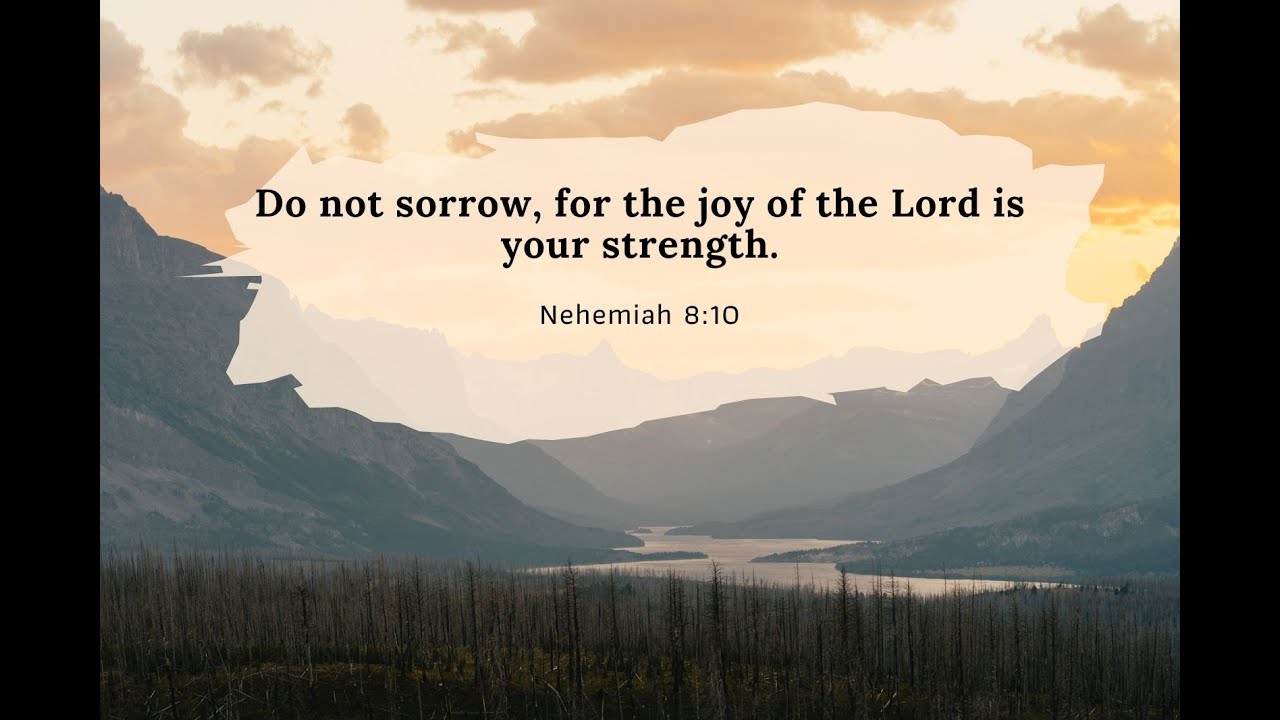
By the time we reach Nehemiah 8, Jerusalem’s walls have been rebuilt, and the people have gathered together before the Lord. Yet something more important than rebuilding stone walls is now taking place: God is rebuilding His people through His Word. Ezra reads from the Law, the people listen attentively, and those teaching them “gave the sense, and helped them to understand the reading”. As understanding comes, so does conviction. The people begin to weep because they recognise how far they have fallen from what God had commanded. But Nehemiah and Ezra tell them not to remain in sorrow: “Do not sorrow, for the joy of the LORD is your strength.”
That joy is not shallow happiness or an attempt to ignore sin. Their repentance was real, but repentance was never intended to leave them crushed and without hope. They heard the Word, humbled themselves before God and were then called forward into renewal. This remains an important pattern for us. Scripture should search us, correct us and sometimes bring genuine sorrow over what needs to change. Yet the Father’s heart is also to restore those who return to Him. Like the father welcoming the prodigal son home, God’s mercy gives us reason to rise again. Repentance turns our will and our ways back towards His will and His ways, and there we discover that His joy is stronger than our changing emotions.
Nehemiah 8 also shows that understanding the Word should lead to obedience. The people discovered commands they had neglected, particularly concerning the Feast of Tabernacles, and they responded by doing what God had said. Their obedience produced “very great gladness”. Jesus later expressed the same principle in John 15 when He told His disciples to abide in His love and keep His commandments, adding, “These things I have spoken to you, that My joy may remain in you, and that your joy may be full.” Christian joy grows as the Word moves beyond something we hear publicly, into something we search privately and then live personally.
The message ultimately leads us to Christ. During the Feast of Tabernacles, Jesus stood and cried, “If anyone thirsts, let him come to Me and drink”, promising rivers of living water to those who believe—speaking of the Holy Spirit. The joy of the Lord is therefore not a fragile feeling we must somehow manufacture. It is rooted in God’s unchanging character and His gracious work of drawing His people back to Himself. We remain in that joy as we abide in Christ, live in His Word, walk in obedience, draw near in prayer and yield ourselves to the Spirit. Our joy may rise and fall, but the Lord does not change. His joy becomes our strength.