

Audio
Youtube
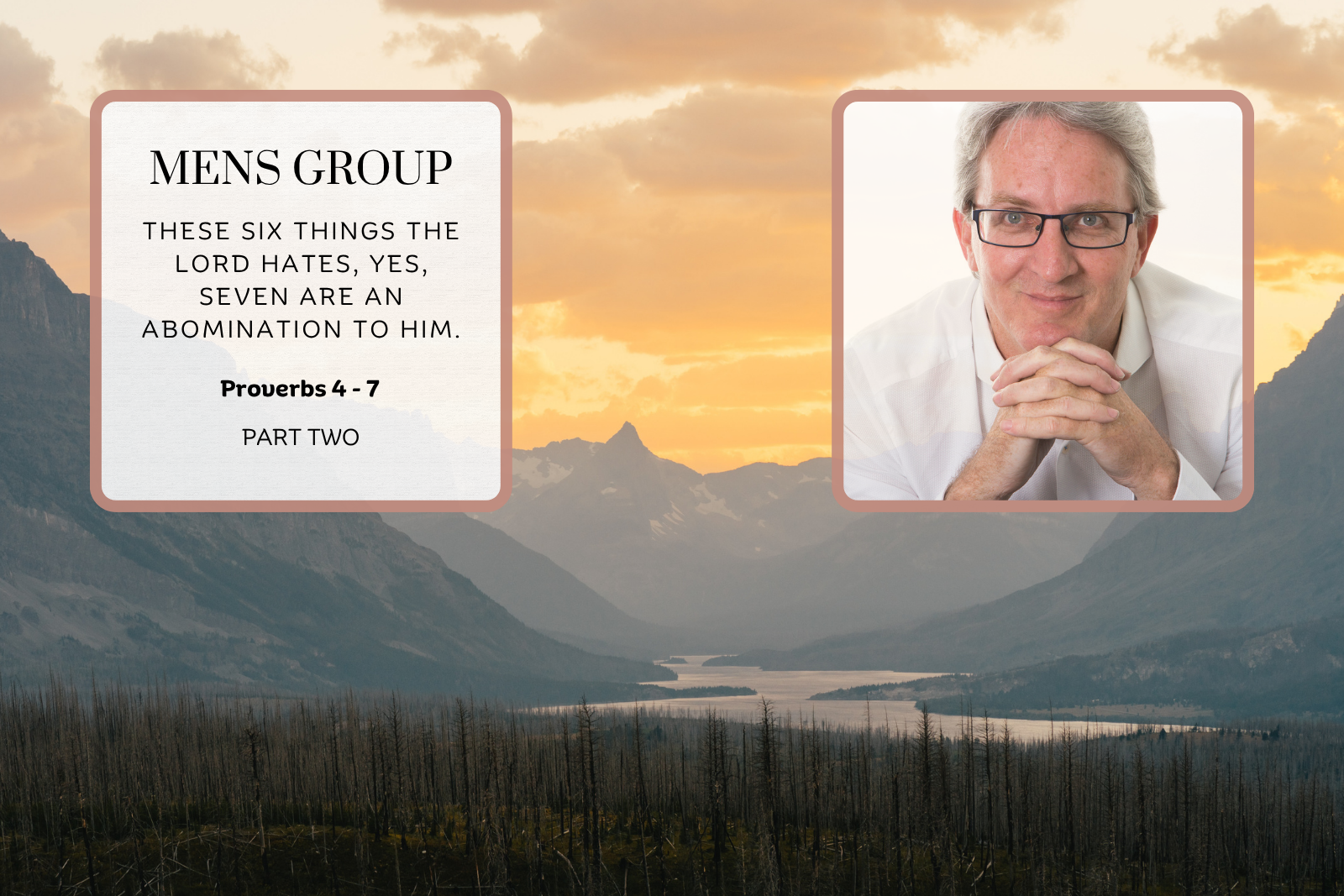
Proverbs 6 gives us a confronting list: “These six things the LORD hates, yes, seven are an abomination to Him.” Pride, lying, shedding innocent blood, devising wicked plans, running towards evil, bearing false witness and sowing discord among brothers all reveal something about what God desires from His people. Yet this message deliberately avoids turning the list into an opportunity for self-righteous judgement. Jesus’ parable of the Pharisee and the tax collector reminds us how easily we can congratulate ourselves while looking down on someone else. Instead, Scripture invites us to examine our own hearts. When we fail, the right response is not to cover it up with another lie or to defend ourselves, but to admit what happened, seek forgiveness, and make things right where we can.
The warning goes deeper than outward behaviour. Jesus teaches in Matthew 5 that murder cannot be considered only as the physical act while hatred and destructive anger are ignored, and 1 John similarly warns about hatred towards a brother. Mark 7 takes us directly to the heart, where Jesus identifies evil thoughts, sexual immorality, deceit, pride and other sins as things that arise from within. This is why biblical wisdom requires more than managing appearances. We need the Holy Spirit to transform the inner life, and we need God’s Word to expose attitudes before they develop into actions. Truthfulness, humility, reconciliation and unity among believers therefore matter greatly. Proverbs warns against the whisperer who separates friends, while Jesus prays in John 17 that His people would be one.
Then the message turns to the extended warnings about adultery and sexual temptation that run through Proverbs 5, 6, and 7. The amount of space Scripture gives to this subject should make us pay attention. Proverbs 7 does not describe a man suddenly deciding to destroy his marriage or spiritual life. The danger develops gradually. Boundaries soften, conversation becomes intimate, comfort is found in the wrong place, and what appeared harmless becomes something much more serious. The transcript describes this as a slow fade. The closing warning of Proverbs 7 is particularly sobering: many have fallen, and those overcome were not necessarily weak or foolish men. Samson, David and Solomon each provide different biblical reminders that strength, spiritual experience, position and wisdom do not make anyone immune from sexual temptation.
The answer is not fear, shame or pretending temptation could never reach us. Nor is the message aimed backwards at sins already forgiven in Christ. Its purpose is to help us walk wisely from this point forward. Paul writes that anyone who is in Christ is a new creation, and Colossians 2 says that we are complete in Him. We do not need to search for our worth, comfort or identity in another relationship, achievement or worldly substitute. When something within us feels empty, the answer is to move towards Christ – through Scripture, prayer, fellowship, honest conversation and, where necessary, repentance and practical change. Sometimes the next faithful step may simply be cutting off an opportunity for the flesh before it becomes something stronger. Guard the heart early, listen when Scripture warns, and remember that the fullness we are searching for is ultimately found in Christ.
The message develops through four major warnings and applications:
1. Take seriously what God calls evil – Proverbs 6:16-19
Pride, lies, violence, wicked intent, eagerness towards evil, false witness and division are not minor character flaws. Scripture calls us to recognise them and turn from them.
2. Look beneath behaviour to the heart
Jesus repeatedly moves the issue inward. Hatred, pride, deceit and sexual sin begin before the outward action becomes visible. Guarding our lives therefore requires guarding what is happening within.
3. Sexual compromise is often a slow fade – Proverbs 6-7
Temptation often develops through small compromises rather than a single dramatic decision. Wisdom recognises the direction of travel before the final boundary is crossed.
4. Strong men still need warnings
Samson, David and Solomon remove the excuse that maturity, strength, ministry experience or wisdom make a man immune. Biblical humility says, “I need God’s protection and wisdom too.”
The central challenge is:
Do not wait until temptation has become overwhelming before taking it seriously. Guard the heart while the choice is still clear.
The Encouragement Behind the Warning
One of the strongest pastoral elements in the transcript is the teaching that this is not about condemnation. The speaker repeatedly acknowledges his own failures rather than standing above other men in judgement. The warning is directed towards what lies ahead, not towards keeping forgiven believers chained to what lies behind them.
That makes 2 Corinthians 5:17 an important closing truth:
In Christ, we are new creations.
And Colossians 2:9-10 gives the positive answer to the emptiness that can make temptation attractive:
We are complete in Christ.
Take some time to read Proverbs 6:16-35 and Proverbs 7 slowly. Do not simply look for someone else who fits the warnings. Ask the Lord to search your own heart. Is there a small compromise, private resentment, dishonest habit, relationship boundary or desire that needs attention now rather than later?
If something does need changing, bring it into the light. Pray, speak with a trusted Christian brother or pastor where appropriate, and take whatever practical step helps you move towards Christ rather than towards temptation. The warning is there because God loves His people enough to tell us where dangerous paths lead.
Scriptures Mentioned / Referenced
- Proverbs 6:16-35
- Proverbs 7:1-27
- Luke 18:9-14
- Proverbs 16:5
- 1 Corinthians 11:1
- Ephesians 4:15, 25
- John 17:20-23
- Psalm 106:35-38
- Matthew 5:21-22
- 1 John 3:15
- Mark 7:20-23
- Proverbs 15:26
- Romans 8:9
- 2 Corinthians 5:17
- Isaiah 59:7-8
- Ephesians 5:11
- 2 Timothy 2:22
- Romans 12:9
- Proverbs 19:9
- Romans 14:4
- Proverbs 16:28
- Psalm 133:1
- Romans 8:1
- Judges 16
- 2 Samuel 11-12
- Deuteronomy 17:17
- 2 Corinthians 6:14
- Colossians 2:9-10
- Philippians 1:6