

Audio
Youtube
The Christian life begins when we recognise our need for Christ, but Scripture also calls us to finish faithfully. This message begins by looking back to Peter in Luke 5, who fell before Jesus and said, “Depart from me, for I am a sinful man,” and then forward to Paul’s words: “Imitate me, just as I also imitate Christ.” Somewhere between those two points is the journey of every believer. For those who have walked with the Lord for many years, the letters to the seven churches in Revelation 2 and 3 provide an especially searching question: after all this time, where is our heart now? Rather than becoming caught up in the different prophetic systems used to interpret Revelation, the message simply listens to what Jesus says to real churches and asks what those words reveal about our own walk with Him.
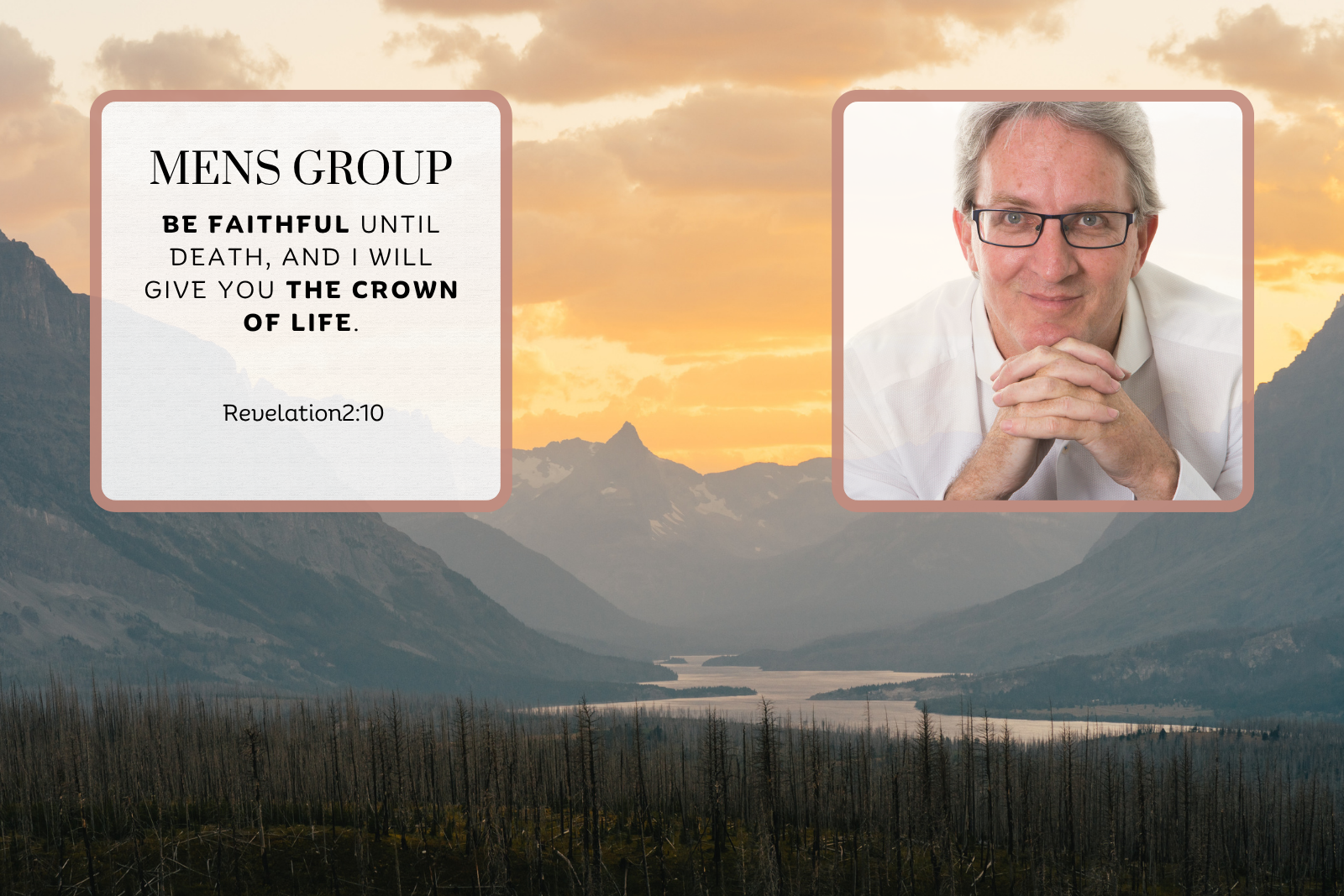
The church at Ephesus had much to commend. They worked hard, persevered and tested those who falsely claimed spiritual authority. Yet Jesus said, “You have left your first love.” Years of service and doctrinal care had not removed the need to remain deeply in love with Christ. Smyrna, by contrast, receives no criticism. They faced tribulation, poverty and suffering, yet Jesus told them, “Be faithful until death, and I will give you the crown of life.” Philadelphia likewise is encouraged to hold fast so that no one takes its crown. These churches remind us that Christian maturity is not measured simply by how long we have attended church or how much ministry we have done. The question is whether we are still persevering, still loving Christ and still holding firmly to what He has entrusted to us.
Pergamum and Thyatira bring another warning: what teaching are we allowing into our lives? Both churches had strengths, yet false doctrine and corrupt spiritual influence were being tolerated among them. That challenge is particularly relevant in an age when sermons, prophecies, podcasts and Christian teaching are available endlessly online. Something can sound encouraging, spiritual and persuasive while still failing the test of Scripture. The answer is not to become suspicious of every preacher or sit in judgement over another servant of God, but to develop biblical discernment. Like the Bereans, believers should listen carefully and then return to the Word. Test what is being said. Know Scripture well enough that a teaching which subtly changes the gospel, excuses sin or places human promises above God’s truth can be recognised before it takes root.
Sardis and Laodicea bring the examination even closer. Sardis had a reputation for being alive, but Jesus said they were dead. Laodicea had become comfortable and self-sufficient: “I am rich, have become wealthy, and have need of nothing,” while Christ described their true spiritual condition very differently. The answer Jesus gives is not despair but repentance: “As many as I love, I rebuke and chasten. Therefore be zealous and repent.” That is the hope running through these warnings. Christ corrects His people because He loves them. Whether we have followed Him for six months or sixty years, we are still called to examine ourselves, return when we have drifted, reject what is false and hold fast to Christ. The goal is not merely to have started the race. It is to remain faithful to the One who called us until the end.
The seven churches become a series of questions for personal examination:
1. Ephesus – Have I left my first love?
Hard work, perseverance and sound discernment are good, but they cannot replace a heart that genuinely loves Christ.
2. Smyrna – Will I remain faithful when following Christ becomes costly?
Jesus does not promise the absence of suffering. He calls His people to remain faithful even through it, with the crown of life ahead.
3. Pergamum and Thyatira – What teaching am I tolerating?
False teaching may coexist with much that looks faithful. The believer must test teaching rather than simply accepting something because it sounds spiritual.
4. Sardis – Does my reputation match my spiritual reality?
It is possible to appear spiritually alive while the inner life has weakened. Jesus looks beyond reputation to reality.
5. Philadelphia – Am I holding fast?
The faithful church is encouraged to persevere, keep Christ’s Word and hold firmly to what it has received.
6. Laodicea – Have I become comfortable and self-sufficient?
Material security and outward success can produce the illusion that we need nothing, while spiritual dependence upon Christ quietly fades.
The overall call is:
Remember your first love. Test what you hear. Examine yourself. Repent where necessary. Hold fast. Finish faithfully.
Read Revelation 2 and 3 slowly, and resist the temptation to apply each warning to someone else first. Ask instead:
- Is my love for Christ as alive as it once was?
- Have I become comfortable in my faith?
- Am I testing what I hear against Scripture?
- Is there something Christ is asking me to repent of?
- Am I still holding fast to Him?
Jesus’ rebukes are not evidence that He has abandoned His people. Revelation 3:19 reminds us that He corrects those He loves. The right response is therefore not fear, but humble self-examination, repentance where needed and renewed faithfulness.