
Audio
Youtube
Part 1 of Josiah’s story ended with the rediscovery of the Book of the Law and a king whose heart was deeply affected by what he heard. In 2 Kings 23, Josiah moves from conviction into action. He gathers the elders, priests, prophets and people together and reads the words of the covenant before them. Then he publicly commits himself “to follow the LORD and to keep His commandments and His testimonies and His statutes, with all his heart and all his soul”. The people join him, and a genuine work of reform begins. Josiah shows us that receiving God’s Word involves more than agreement. When Scripture exposes something that needs to change, faithful obedience asks what we will do about it.
Josiah’s next step is uncompromising. He begins cleaning the temple and then the wider land of the idols, altars and practices that previous generations had allowed to become established. Even places associated with the reign of Solomon are torn down. That gives the message a searching application for us. Idolatry does not require a carved statue. Anything that captures the worship, affection, or allegiance that rightly belong to God can begin to take His place. The danger is often gradual. Solomon himself was described as exceptionally wise, yet his heart was eventually turned away. We should therefore never assume that spiritual compromise could not happen to us. We need the Word of God, the Holy Spirit and other faithful believers around us to help us remain watchful and keep walking faithfully with Christ.
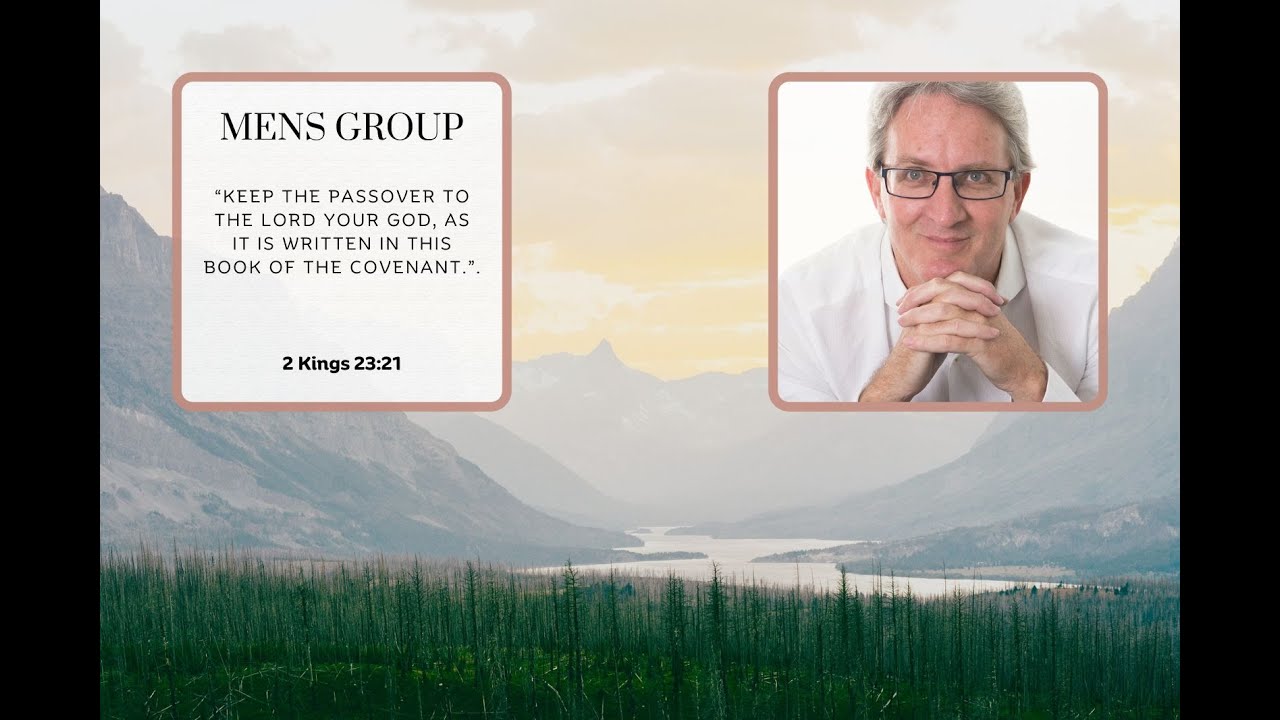
Then comes one of the most beautiful moments in the chapter. Josiah commands the people to keep the Passover “as it is written in this Book of the Covenant”. Passover reminded Israel that their deliverance from Egypt was God’s work. The blood of the sacrificed lamb marked the households that were spared from judgment, and the feast became an enduring remembrance of God’s rescue. Christians are not under Israel’s covenant obligation to observe Passover, yet understanding it helps us understand the gospel more deeply. Paul writes, “Christ, our Passover, was sacrificed for us.” Communion carries the same call to remembrance: Christ has done the saving work. Our standing before God does not rest upon our own righteousness, but upon the sacrifice of Jesus Christ and the grace received through faith.
Josiah finishes this section with an extraordinary commendation: before him there was no king like him who turned to the Lord “with all his heart, with all his soul, and with all his might”. That is the challenge left with us. Revival is not merely attending church, speaking Christian language or making an emotional commitment for a moment. It involves allowing God’s Word to expose what does not belong, turning from it and continuing wholeheartedly with Him. We do not do that in our own strength, and there is no condemnation for those who are in Christ Jesus. We come again to the Lord, remembering what Christ has accomplished, asking the Spirit to strengthen us and choosing once more to walk faithfully before Him.
Part 2 completes Josiah’s story through four major movements:
1. Renew the covenant – 2 Kings 23:1-3
Josiah gathers the people around the Word of God and personally commits himself to follow the Lord with his whole heart and soul.
2. Clean house – 2 Kings 23:4-20
Conviction produces action. Josiah systematically removes the idols, altars and practices that had become normal throughout Judah.
3. Remember God’s redemption – 2 Kings 23:21-23
Josiah restores Passover according to Scripture. For Christians, Passover helps us understand Christ as the One who accomplished our redemption through His sacrifice.
4. Continue wholeheartedly – 2 Kings 23:24-25
Josiah does not simply begin well. Scripture remembers him as a king who turned to the Lord with all his heart, soul and might.
The central thought is:
When God’s Word reveals what needs to change, genuine repentance does not merely feel sorry – it turns, removes what does not belong and walks forward in obedience.
Read 2 Kings 23:1-25 and ask the Lord to search your own heart. Is there something that has gradually become normal in your thinking, entertainment, habits or priorities that no longer belongs there? Josiah’s example encourages us not to respond with condemnation, but with repentance and action – cleaning house where necessary and remembering that our hope rests in Christ, our Passover sacrifice.