
Audio
Youtube
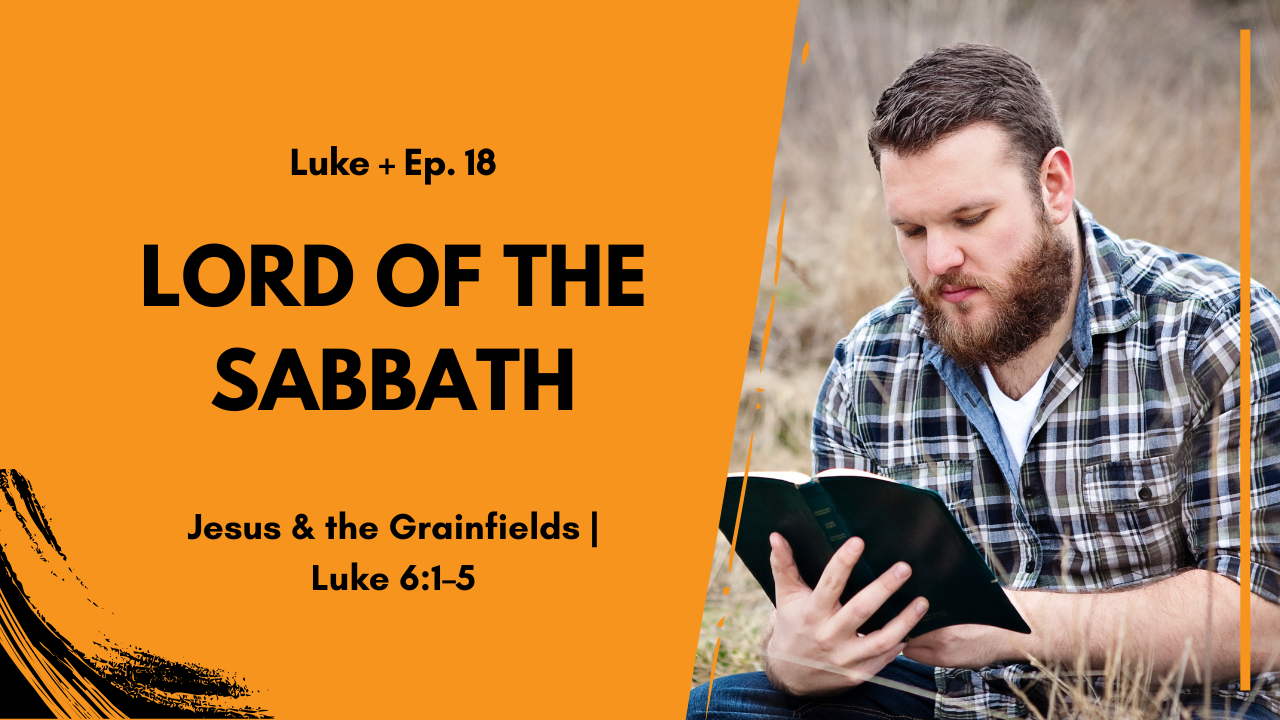
Luke 6:1–5 brings us into another growing conflict between Jesus and the Pharisees. As Jesus and His disciples walk through the grainfields on the Sabbath, the disciples pluck heads of grain, rub them in their hands and eat. The Pharisees immediately accuse them: “Why are you doing what is not lawful to do on the Sabbath?” Yet the issue was not theft. Deuteronomy 23:25 specifically permitted someone passing through a neighbour’s field to pluck grain by hand. The controversy arose because religious tradition had built additional rules around the command not to work on the Sabbath. Plucking the grain was treated as reaping and rubbing it in the hands as threshing. A simple meal had become, in their eyes, unlawful labour.
The Sabbath itself was no small matter under the covenant God made with Israel. Exodus 31 describes it as a sign between the Lord and the children of Israel, and Sabbath-breaking carried serious consequences. The problem was not with God’s command; the problem came when layers of human tradition began to surround it until people struggled to distinguish what God had actually said from the fences men had built around it. That danger remains with us. It is possible to know biblical language, defend religious traditions and still miss the heart of what God has revealed. Jesus’ response is therefore instructive: “Have you not even read this?” He does not answer merely with opinion or enter into philosophical sparring. He takes them back to Scripture.
Jesus points them to David in 1 Samuel 21. When David and his men were hungry, David received the consecrated showbread, even though ordinarily it was reserved for the priests. The example reveals something the Pharisees had overlooked: human need and mercy carry greater weight than ceremonial regulation. In Matthew’s parallel account, Jesus makes the principle explicit by quoting Hosea 6:6: “I desire mercy and not sacrifice.” This does not mean that holiness or obedience are unimportant. It means that genuine obedience reflects the heart of the God who gave the command. When our programmes, procedures or traditions prevent us from showing mercy to somebody who is hurting, we should be willing to stop and ask whether we have missed the point.
The Sabbath question also points beyond the day itself to the deeper rest found in Christ. Paul tells believers in Colossians 2:16–17 not to allow anyone to judge them regarding food, festivals, new moons or Sabbaths, describing these things as “a shadow of things to come, but the substance is of Christ.” Jesus invites the weary to come to Him and find rest, while Hebrews 4 speaks of the rest that remains for the people of God. Our confidence before God is not built upon completing enough religious work. At the cross Jesus declared, “It is finished.” Christ has accomplished the saving work we could never accomplish ourselves. We therefore rest in Him, and from that place of grace our lives are able to overflow in faithful obedience and good works.
The passage ends with the great declaration: “The Son of Man is also Lord of the Sabbath.” Jesus is not merely offering another rabbinic opinion about Sabbath observance. He is declaring His authority. The title Son of Man reaches back towards Daniel 7 and the One to whom dominion and an everlasting kingdom are given. Mark’s parallel account adds that “The Sabbath was made for man, and not man for the Sabbath.” The Sabbath is not master over Christ; Christ is Lord of the Sabbath. And for us there is another important lesson: when questions arise about truth, doctrine or religious practice, our model should be Christ Himself — return to the Word, seek to understand what God has actually said, and approach that Word with a tender heart that desires both truth and mercy.