
Audio
Youtube
Josiah became king of Judah at only eight years old, yet Scripture gives him an extraordinary summary: “He did what was right in the sight of the LORD” and “did not turn aside to the right hand or to the left”. That is particularly striking because Josiah inherited a nation shaped by generations of idolatry and disobedience. His grandfather Manasseh had been one of Judah’s most wicked kings, yet Josiah did not have to become what the generations before him had been. His story reminds us that our family background, culture and past do not have to determine the direction of our walk with God. We are still responsible for which path we choose.
In the eighteenth year of his reign, Josiah ordered repairs to the neglected temple. That physical restoration becomes a useful picture for believers today. Paul tells Christians that we are the temple of God and that the Spirit of God dwells within us. Ephesians goes further, describing believers as being built together upon Christ the cornerstone into a dwelling place for God in the Spirit. That raises an important personal question: have areas of our own spiritual lives fallen into disrepair? Prayer, worship, fellowship, and time in Scripture can all be gradually neglected. Josiah’s example encourages us not merely to notice the damage, but to begin rebuilding.
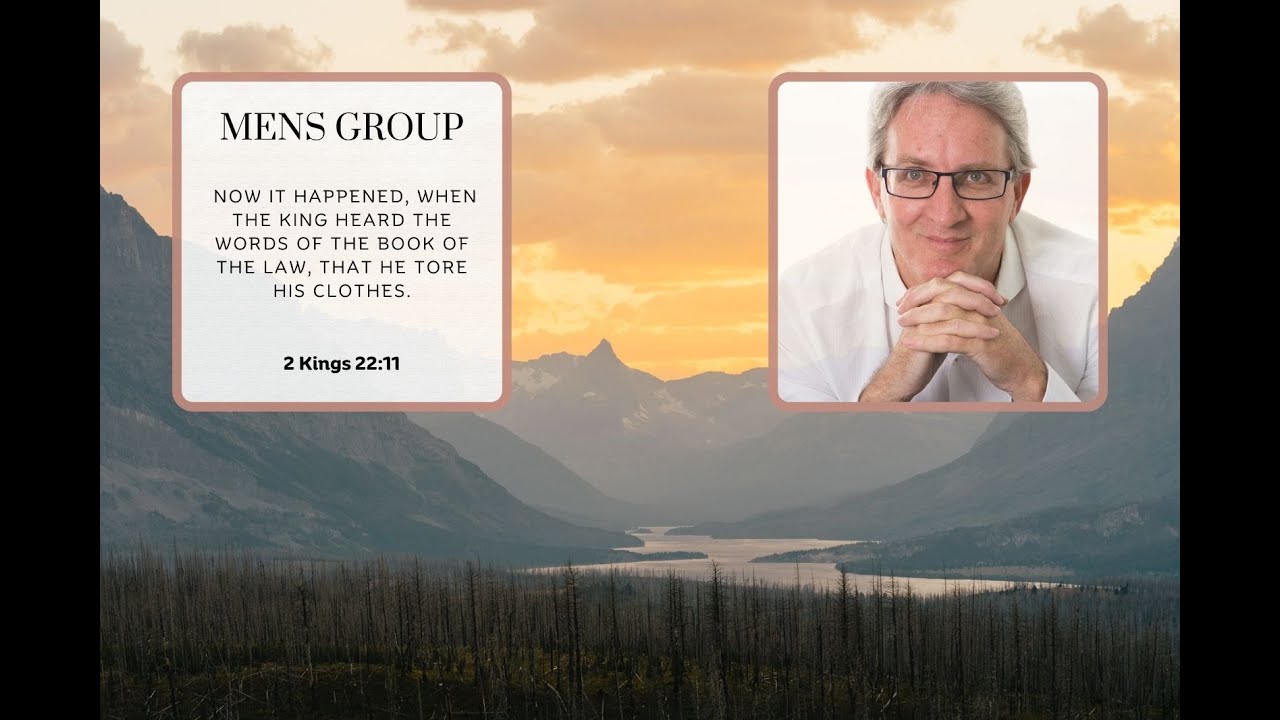
Then something remarkable happens. During the restoration, Hilkiah the high priest finds the Book of the Law in the temple. God’s Word had effectively become lost inside the very place devoted to the worship of God. When it is read before Josiah, he tears his clothes. He recognises how far Judah has departed from what God had commanded. The Lord later says of him, “Because your heart was tender, and you humbled yourself before the LORD … I also have heard you.” Josiah did not simply discover Scripture intellectually. He allowed what he heard to search his heart. That is the response God’s Word should still produce in us – teaching, correcting, exposing what needs to change and leading us towards repentance and renewed obedience.
Psalm 119 calls God’s Word “a lamp to my feet and a light to my path”, while 2 Timothy tells us that all Scripture is profitable for doctrine, reproof, correction and instruction in righteousness. We therefore need more than a Bible somewhere in the house or occasional church attendance. We need to open the Word, pray, seek the Lord and become genuinely connected with His people. The Holy Spirit works within us, but He does not call us towards a passive Christian life. Josiah heard the Word and responded. The challenge of Part 1 is the same for us: keep the heart tender, let Scripture speak, and when God shows us something that needs repairing, be willing to act.
Part 1 develops four main lessons from 2 Kings 22:
1. Your past does not have to determine your direction.
Josiah came from generations of serious spiritual failure, yet chose to walk faithfully before God.
2. Repair what has fallen into disrepair.
Josiah restored the neglected temple. The New Testament application asks us to examine the condition of our own spiritual lives as people in whom God’s Spirit dwells.
3. Rediscover the Word of God.
The Book of the Law was present but neglected. God’s Word must be opened, read, studied and allowed to guide our lives.
4. Respond with a tender heart.
Josiah’s greatness was not simply that he heard Scripture, but that he humbled himself when it exposed Judah’s condition.
The central thought is:
The Word of God is not merely something to read. It is something we allow to search, correct and change us.
Take some time to read 2 Kings 22 before moving on to Part 2. Ask yourself whether there is an area of your Christian life that has gradually fallen into disrepair, then come honestly to God’s Word and ask Him to show you what needs rebuilding. Josiah’s response gives us the pattern: hear the Word, humble yourself before God, and act upon what He reveals.